Live Life Well!
 
Your Subtitle text

Wellness Articles

Hydrate For Health
We all know we should “drink plenty of water” but how much is enough and why? What happens if we don’t drink enough water?
Click here to read full article

Genetically Modified Foods
“Frankenstein food”, as G.M.F.’s are sometimes referred to, are foods made with genetically modified organisms. Should you care?
Click here to read full article

Coffee, Tea, or Minerals? It's All In The Timing
Drinking tea or coffee with your meals can limit how much iron (needed for red blood cells) and zinc (needed for immunity) you absorb from the food you’re eating and from the supplements you take with your meals.
Click here to read full article

Mind Body Spirit: What Leading Medical Experts Have To Say
I have been fascinated with the connection between mind and body for most of my life. Below are quotes by leading medical authorities in the U.S.A.
Click here to read full article

Your Health As Your Most Important Investment
Did you know the word "wealth" comes from the Old English words "weal" (well-being) and "th" (condition) which taken together means "the condition of well-being"? 
Click here to read full article

Health, Minerals, & pH
The minerals you ingest affect your pH and your pH affects your ability to assimilate minerals.
Click to read full article

Eat, Pray, Puke? How To Be Healthy, Not Hurling, While Overseas
Are you wondering how to avoid digestive upset while on traveling? 
Click to read full article

Osteoporosis: It May Be Magnesium, Not Calcium, That You Need
Americans take more calcium supplements than any other country yet the U.S.A. has the highest incidence of osteoporosis.
Click to read full article

Stomach Acid: Most People Have Too Little, Not Too Much
Often what is mistakenly interpreted as too much stomach acid is actually a lack of it.  Hydrochloric acid tends to decrease with age. On average, a 40 year old will have 15% less HCL than they had at age 25, and by 65 they have 85% less.
Click to read full article

Up Your Nutrition With Easy Substitutions
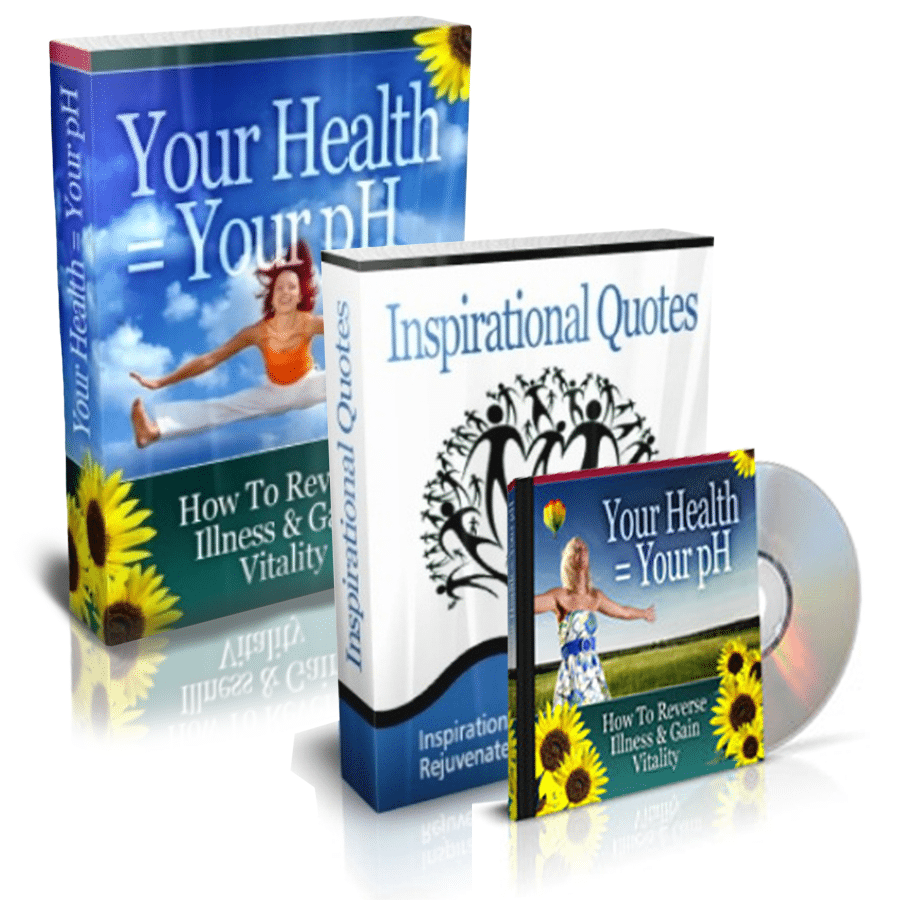
Are you wondering how to get maximum nourishment from your diet?  Below are 6 tips for optimizing your diet from my book “Your Health = Your pH: How To Reverse Illness & Gain Vitality”.
Click to read full article 
 
Hydrate For Health

We all know we should “drink plenty of water” but how much is enough and why? What happens if we don’t drink enough water?


The ingestion of water nourishes our cells. Without an ample ongoing intake of water our cells become dehydrated, malfunction, and eventually die resulting initially in bodily discomfort and eventually in pain or disease. New cells are created when an existing cell divides itself into two cells. Each new cell requires that 75% or more of its volume be of water. If there isn’t enough water available cells can’t make new cells which at a minimum, causes premature aging. The cell membrane is a complex mechanism (involving a “moat-like” layer of water within it) that is responsible for allowing nutrients into the cell and excreting wastes out from it. The functioning of a cell’s membrane is completely dependent on the presence of water so if you’re not drinking enough water your cells can become malnourished and toxic.  


Proteins (peptides strung together) and enzymes (a type of protein) regulate all functions within the body. In order to do so they require a minimum level of hydration. The transport system which delivers neurotransmitters to nerve endings can’t function without adequate water resulting in symptoms ranging from lack of articulate speech to not appropriately recognizing the warning of pain signals. Our lumbar discs are de-prioritized early in the water-rationing process therefore an ongoing lack of adequate water intake can exacerbate back pain. In prolonged dehydration our brain cells shrink and die.


Vasopressin is a hormone synthesized from peptides in the hypothalamus and stored in the pituitary which is released into both the bloodstream and the brain in order to regulate the flow of water according to a rationing and distribution system which prioritizes the most important bodily functions. Dehydration releases additional vasopressin however alcohol, even amidst dehydration, suppresses vasopressin’s release from the pituitary gland. This prevents the body from being as strategic as it otherwise could be in how it regulates and retains its water such that crucial cells, like those of the brain, heart, and lungs, receive less water amidst dehydration than they would if the dehydration were not alcohol induced. For each glass of alcohol that you drink chase it with a glass of water.  


Retaining excess sodium is one of the last resorts the body uses to hang on to its water. Hypertension may follow.  


Histamine is a neurotransmitter which assists in the regulation and distribution of water within the body. It also is involved in the body’s defense systems against bacteria, viruses, chemicals, and other foreign agents, however when too much histamine is released these defense systems can become hyper-vigilant and asthma and allergies result. Lack of water concentrates the blood and when concentrated blood reaches the lungs local histamine is produced (asthmatics have an increased level of histamine within their lung tissue).The result can be bronchial constriction. When dehydrated the body releases an exaggerated amount of histamine however animal studies have shown that histamine production can normalize after just four weeks of increased daily water intake.  


The pancreas is responsible for the production of an alkalizing bicarbonate-containing watery liquid which is emptied into the duodenum to neutralize acid coming from the stomach. The pancreas prioritizes this bicarbonate over making and secreting insulin if there is a lack of available water to make and secrete enough of both. When insulin secretion is inhibited many bodily functions are disrupted since most cells are dependent upon insulin. Chronic dehydration can result in both indigestion and a propensity for diabetes.


Water is required for genomic processes involving D.N.A. and R.N.A., and when there is dehydration our genetic materials can become damaged. The result is the “coding” done by these nucleic acids can be incorrect resulting in mutations that are inferior. To compound matters, dehydration causes a severe depletion of the amino acid tryptophan which is what the body uses to correct any detectable errors in the D.N.A. replication process making tryptophan essential in the prevention of cancer.


Our thirst sensation decreases as we age and/or if we have an ongoing history of not being fully and consistently hydrated. Some confuse their feeling of thirst for hunger, resulting in weight gain since the body can’t effectively process or utilize food when in a dehydrated state. Over time, as we drink an appropriate amount of water, our thirst sensation will restore itself.


If any of the above has motivated you to ensure you ingest enough water, you can do so by drinking at least half of your body weight in ounces each day. Since water neutralizes your digestive juices, be sure to space your water consumption apart from food. I recommend not ingesting more than 6 ounces of liquid up to 15 minutes prior to and up to an hour after, a meal.


Make it easy to drink enough water by filling up a few water containers and have them with you during your day. Over time you may find that you feel better, that your thinking is clearer, and that you have more energy than you used to.

 
Copyright 2009           Amy Mosher 
Click to download book      Click to go to home page        Click to go to articles
      
 
Genetically Modified Foods
“Frankenstein food”, as G.M.F.’s are sometimes referred to, are foods made with genetically modified organisms. They are most commonly soy, corn, cottonseed, and canola, although other agricultural foods, ranging from alfalfa to zucchini, now also contain a genetically modified organism. The Institute For Responsible Technology estimates that as of 2009, 60-70% of food on American grocery store shelves have some amount of a G.M.O. within them. Should you care?

A genetically modified organism is the result of taking a gene from one species and inserting it into another species. Genes are short sequences of D.N.A. (D.N.A. contain the genetic instructions that control how a living system functions.) When these G.M. organisms are inserted into a food they alter the D.N.A. of the food. The crucial question of “Does ingesting a food which has had its D.N.A. tampered with affect the functioning of human D.N.A., and if so are the effects harmful?” is one which remains unanswered. 

Because living organisms have natural barriers to protect themselves against the introduction of D.N.A. from a different species, genetic engineers force the D.N.A. from one organism into another. Different G.M. foods have different genes inserted in different ways. Some of the methods for insertion include:
• Using viruses or bacteria to "infect" cells with the new DNA.
• Coating DNA onto tiny metal pellets, and firing it with a special gun into the cells. 

G.M. corn and cotton are engineered to produce a toxin (the Bt bacterium) inside every cell which acts like a pesticide such that when a bug bites into the plant the poison kills the bug. Unfortunately, unlike when a pesticide is sprayed on a crop, this form of pesticide remains within the cells of the corn and cotton, and according to a 2004 report, is a much stronger dose of the toxin than the spray form is. Bt cotton (produced by St. Louis-based Monsanto) was the only genetically modified item that India has allowed to be grown and sold (introduced in 2002). Eighteen-hundred sheep and an uncounted number of goats in four villages in the state of Andhra Pradesh (southeastern India) died after grazing on these G.M. cotton bushes. Without a proven cause and effect a small follow up study was done in 2005 by the Deccan Development Society (Hyderabad, India) and they reported that all sheep fed Bt cotton plants died within 30 days yet the sheep in the control group who grazed on natural cotton plants remained healthy. (Incidentally, Indian farmers report growing Bt cotton to be at least 10% less profitable than natural cotton, and this does not factor in the root rot problem- which was 2% in the first year of growing Bt cotton and an average of 40% the fifth year, nor the cost of livestock death. The only components of the equation were the price of the seeds and pesticides, and the resulting cotton yield. Bt cotton requires 20% more water than non-G.M. cotton.) 

Monsanto, most known for the production of “Agent Orange”, has the most to gain from G.M. foods as they are the world’s largest provider of both seeds (90% of soy, 70% of cotton, and 65% of corn seeds) and pesticides. Biotech seeds are much more expensive and unlike standard seeds, must be purchased anew every year. Monsanto has not always acted ethically in developing nations and an example includes its 2005 agreement to pay $1.5M in penalties for the admitted violation of the Foreign Corrupt Practices Act when it bribed Indonesian government officials and concealed the payments as consulting fees.

Hope Shand of the Erosion, Technology & Concentration Group (grains and seeds) stated in 2008 “We have yet to see genetically modified food that is cheaper, more nutritious or tastes better" and "Biotech seeds have not been shown to be scientifically or socially useful". In light of this, why eat G.M.F.’s when (in this country) we have choices?

The increase in food allergies, asthma, diabetes, reproductive limitations, and autism in the U.S.A. over the last decade have caused some to wonder if there is an association of some sort with the increase in the production and sale of G.M. foods (which were introduced on a large scale in the U.S.A. in 1996). As of July 2009 there has only been one human study published. It was with a group of only seven volunteers and the results showed three of the seven had a genetic transfer of the D.N.A. of the G.M. soy they ingested.

An example of a possible correlation between human health and ingested G.M.F.’s is when G.M.O. soy was introduced in the U.K., reported allergic reactions to soy went up by 50% (this 1998 study was done by the York Nutritional Laboratory). (G.M. soy has up to seven times more tripsin inhibitor which is a known allergen.) According to the 2004 Netherwood study, the gene inserted into G.M. soy transfers into the D.N.A. of the bacteria living inside of the human intestinal tract where it continues to affect the terrain- in other words the ongoing presence of the G.M.O. produces proteins inside of us and we don’t yet know the consequences of their presence.

On May 19th of 2009 the American Academy of Environmental Medicine called for a moratorium on G.M. foods, for education of the public of their risks, for long-term independent studies of their effects on humans, and for required labeling. (Labeling of G.M. crops, although not currently required in the U.S.A., has been required in the European Union countries since 2003, as well as other nations such as Japan and Australia, and now the E.U. is in the process of requiring that meat, eggs, and dairy products coming from G.M. crop-fed livestock be labeled as such). The A.A.E.M.’s paper states “Several animal studies indicate serious health risks associated with GM food.” and “Multiple animal studies show significant immune dysregulation associated with asthma, allergy, and Inflammation”. (The A.A.E.M., founded in 1965, is an international organization of physicians and medical professionals. It states its mission is to expand the knowledge of interactions between humans and their environment as relevant to total health.) 

It’s very difficult to isolate G.M. crops due to outcrossing (seeds from G.M. crops mixing with neighboring conventional or organic crops, carried there by the wind). The contamination of non-G.M.O. crops has brought the need for inspection which has contributed to rising food costs.
 

The biggest issue with G.M.O. containing foods is not what we know, but what we don’t yet know. Why risk your genes? 

In 1990 P.L.U. (price look-up) codes were introduced on produce labels. They indicate the type of produce as well as other relevant information from which grocery store check-out systems match a price. If you don’t know if what you’re about to buy is genetically modified or not, examine the P.L.U. code:
• A four-digit number means it's conventionally grown.
• A five-digit number beginning with 9 means it's organic.
• A five-digit number beginning with 8 means it's G.M..

You can also download a comprehensive consumer buying guide from the Institute For Responsible Technology in this link: http://www.seedsofdeception.com/DocumentFiles/144.pdf

Copyright 2009  Amy Mosher 
Click to download book        Click to go to home page         Click to go to articles

 
Coffee, Tea, or Minerals?: It's All In The Timing
Drinking tea or coffee with your meals can limit how much iron (needed for red blood cells) and zinc (needed for immunity) you absorb from the food you’re eating and from the supplements you take with your meals. This is because tea and coffee contain caffeine and tannins.

Coffee has more caffeine than tea and (true) teas have more tannins than coffee. Aside from water, tea is the world’s most popular beverage (green being the most common).

What differentiates the categories of tea is their degree of oxidation (this is the process in which the tea leaf interacts with oxygen and turns dark). Black tea is oxidized, oolong tea is semi-oxidized, and green tea is not oxidized. All true teas come from the leaves of the Camellia sinensis (“tea bush”) and since it’s the process, not the leaves, which determine the category of tea, the same plant can produce all 3 categories of tea. Rooibus, nicknamed “red tea”, is a tisane rather than a tea, and comes from the leaves of an African legume bush. Red tea contains no tannins or caffeine. Herbal tea isn’t technically a tea either, rather it is made by steeping flowers, roots, leaves, or bark from any plant other than the tea bush. 

Tannins are polyphenols (plant-derived antioxidants). Tannins have positive contributions, such as inhibiting the growth of dental plaque, but they inhibit absorption of iron, calcium, and zinc and due to binding with proteins, they decrease one’s ability to digest and assimilate protein. Note that tannins only inhibit the non-heme (plant-derived) form of iron, not the heme form (most iron supplements are plant-derived). Since vitamin C helps to neutralize tannins’ effect on iron absorption adding lemon juice to tea will reduce the negative effect of tannins upon iron absorption (or you could add orange juice to your morning meal). Although rooibos contains a small amount of tannin, the amount is so low that it does not affect the absorption of iron

Caffeine may reduce the absorption of manganese, zinc, copper, iron, magnesium, vitamin A and many of the B vitamins. According to the 2002 study by Tufts University coffee can inhibit iron absorption by as much as 87% if consumed with or up to an hour after a meal.

The estimated caffeine content of coffees and teas are:
 Double espresso (2 oz) = 45-100 mg
 Brewed coffee (8 oz) = 60-120 mg
 Instant coffee (8 oz) =  70 mg
 Decaf coffee (8 oz) =  1-5 mg
 Black tea (8 oz) =  45 mg
 Oolong tea (8 oz) =  30 mg
 Green tea (8 oz) =  20 mg
 White tea (8 oz) =  15 mg
 Rooibus (8 oz) =  0 mg
 Herbal infusions (8 oz) = 0 mg

In no way does this mean that you should forgo your coffee or tea (unless you choose to for other reasons). What you should do is avoid drinking anything with caffeine or tannins for at least 30 minutes after eating or taking mineral supplements (and waiting for a full hour will make sure you get the most nutrition from your meals). Use organic coffees and teas to avoid ingesting pesticides, herbicides, and chemical fertilizers.

Copyright 2009 Amy Mosher
Click to download book        Click to go to home page         Click to go to articles

 
Mind Body Spirit: What Leading Medical Experts Have To Say
I have been fascinated with the connection between mind and body for most of my life. Below are quotes by leading medical authorities in the U.S.A.

“The brain and body communicate using a flood of chemical messengers that hook up to receptors on the surface membranes of our cells, and our very thoughts, moods, and attitudes have a significant impact on which chemical messengers are sent and how they are received.” “These neurotransmitters translate our every fleeting thought, reaction, and emotion- conscious or unconscious- into physiological changes.” “By causing the release of neuropeptides, which communicate directly with every cell in our bodies, our moods and attitudes become incarnate.” “Feelings and thoughts seem intangible but produce a cascade of cellular action, telling each of our cells when to divide, which genes to turn on and when, to make more of this protein or less of that one.” “We are not only what we eat, but what we think.”
Joseph Pizzorno, N.D. (founding president of Bastyr University)

“You can’t afford prejudice, dislike, hatred, resentment, greed, or ignorance (the failure to accept truth or facts). Fear, anger, guilt, anxiety, depression, pessimism, prejudice, hatred, resentment and greed sap or zap our health. What are the antidotes? Joy, laughter, happiness, serenity, peacefulness, optimism, forgiveness, patience, tolerance, compassion, and love- a desire to do good and help others. These attributes of the spirit enhance health and well-being. They build beta endorphins, the feel-good natural narcotics, D.H.E.A. and immune competency. The key to good health is attitude, that is, one’s belief in the ultimate goodness of the universe.”
Norman Sheally, M.D., Ph.D. (neurosurgeon)

“Your body has a remarkable capacity to begin healing itself if you give it a chance to do so. Loneliness, depression, and isolation increase mortality by 3 – 7 times. Anything that creates a sense of connection, community, and love is healing. Meditation, compassion, and service are in a sense the most selfish things we can do because they create intimacy and create healing.”
Dean Ornish, M.D. (clinical professor of medicine at University of
California, private practice is with coronary artery disease)

“Research supports that guided imagery can help people cope with allergies, and reduce allergy symptoms, office visits, and medication usage in many cases.”
American Academy of Allergies, Asthma, & Immunology

“Deep healing involves awakening and nurturing yourself at your most essential levels, that is, at those levels we sometimes describe as ‘unconscious’….Our self-talk is a powerful inner mechanism through which we can make dramatic changes in our lives. It can affect every part of our being—mental, emotional, physical, and spiritual. As such, I consider this kind of inner talk to be one of the key tools we need to develop for deep healing.”
Emmett Miller, M.D. (founder and medical director of the Cancer Support and Education Center)

“It's paying attention to heart wisdom, feelings, not living a role, but having a unique, authentic life, having something to contribute, finding time to love and laugh. All these things are qualities of survivors.”
Bernie Siegel, M.D. (surgeon and oncologist)

“By getting very clear about whether they really want to live and why they want to live, patients often find previously unknown reserves of energy and strength which can be extremely valuable on their journey through cancer.” “Fully honor and embrace your spiritual essence. It is not only the source of the love, joy, and fulfillment that we all seek, but of physical healing as well. Seek this through meditation, prayer, reflection, time in nature, and sharing with loved ones. Remember that just as your body, mind, and heart need attention, so does your spirit.”
Jeremy Geffen, M.D. (director of integrative oncology at Caring4Cancer, and 1999 and 2000 advisor to United States Congress on cancer care)

“Regardless of what supplements you take and what kind of exercise you do, when all is said and done it is your attitude, your beliefs, and your daily thought patterns that have the most profound effect on your health.”
Christiane Northrup, M.D. (obgyn)

Makes you think, doesn't it?
Copyright 2009  Amy Mosher 
Click to download book        Click to go to home page         Click to go to articles


Your Health As Your Most Important Investment

Did you know that the word “wealth” comes from the Old English words “weal” (well-being) and “th” (condition) which taken together means “the condition of well-being”?
Many of us associate good health (mental, emotional, and physical) with the term “well being” and perhaps the early English considered health to be one of their most valued assets.

Harvard Medical School, Harvard Law School, and Ohio University teamed up to conduct research on the correlation between illness and bankruptcy. When their 2001 report showed that half filed due to illness rather than financial profligacy, and that 68% of those who filed had health insurance, I wondered how many of us cultivate good health as a key component of our strategy for future decades and accordingly pay as much attention to building long term optimization of our bodies as we do our 401K’s? Recently the study reported 62.1% of all bankruptcies in 2007 were medical. Think you’re immune? The study additionally reported the mean age was 44.9 years, 60.3% had attended college, and 66.4% were home owners. More than 75% had health insurance yet were overwhelmed by medical debt.

While we all want to be healthy because we’ll feel better being so, when viewed in an economic light it is compelling to prioritize our health. Just as you wouldn’t pour inferior fuel into the gas tank of a car and think it will serve you well for years to come, what you put into your body can directly impact how much you’ll enjoy (or not) being in it later and what percentage of your finances you’ll need to spend on it. 

As professionals we often go to great lengths to excel in our fields, sometimes working late (dinner being whatever is in the vending machine) and gulping down caffeine to keep going. We prioritize our job performance- yet how can we also prioritize our health, given that we’ll still be living in our bodies long after we have left the jobs we are in?

Nourishing food and beverage choices are one way of showing yourself respect. If you purchased an expensive race horse you wouldn’t give him/her a bucket of fries and a diet cola. Of course you wouldn’t, because you revere the horse and desire good performance from your investment. Don’t you deserve this same level of regard for your “lap through life”?  You approach the projects of your career strategically- with a comprehensive and long term vision in mind you develop a methodical plan to purposefully deliver your intended results. Isn’t your biggest and most important project really yourself? 

In your eating choices consistency counts more than occasional volume because your cells are continually replacing themselves and they build with what nutrients are available at the time each new cell is constructed. If you’d like some health tips, such as suggestions for easy substitutions to increase your nutrition, click here. By being strategic in how you care for your body over several decades you set yourself up for the best chance of enjoying good physical, mental, emotional, and financial health in your later years.

Copyright 2009 Amy Mosher
Click to download book          Click to go to home page       Click to go articles


Health, Minerals, & pH
 

Minerals are co-enzymes which help vitamins and other nutrients to function, and are responsible for most actions within and around our cells. There are 90+ known minerals (thus far) for human health. The minerals you ingest affect your pH and your pH affects your ability to assimilate minerals.

Minerals have different pH levels at which they can be assimilated into the body. Minerals on the lower end of the atomic scale, such as sodium and magnesium, can be assimilated in a wider pH range. Minerals higher up on the scale, such as zinc and copper, require a narrower pH range in order to be assimilated by the body. Iodine, which is a major factor in thyroid health, is high up on the atomic scale and requires near perfect pH for its assimilation into the body.

What this means is that without an adequate supply of minerals you can't balance your pH, and without a balanced pH you won't be able to assimilate some key minerals. The answer? Test your salivary pH regularly and start with a good blood test to analyze the status of your various mineral levels.

Copyright 2009  Amy Mosher
Click to download book                 Click to go to home page                Click to go to articles

 
Eat, Pray, Puke? How To Be Healthy, Not Hurling, While Overseas

Are you wondering how to avoid digestive upset while on traveling?  Bali Belly, Delhi Belly, the Turkey Trots, the Cairo Curse, the Bangkok Bloat, the Dakar Dash, Montezuma’s Revenge, or the Hong Kong Crud do not have to accompany you on your exploration of a developing nation.


You’re a savvy enough traveler to know to not drink the local water, inclusive of using bottled water to brush your teeth and avoiding opening your mouth while in the shower.  You already have packaged foods to carry in your day bag to fill in for meals in case you don’t trust that the local produce was washed with purified water or that the animal foods were thoroughly cooked.  The question is- what if you feel a rumble coming on and you suspect that something got down the hatch in spite of your precautions?


Nearly all digestive disturbances while traveling are bacterial or parasitic. Most western remedies just mask the problem rather than cure it. (For example: diarrhea is the body’s response to getting rid of a pathogen, so plugging yourself up with the medications you’ll find in drug stores to halt the purging only results in the pathogen having more time inside of your body to colonize, rob you of the nutrients you eat, and burrow into your tissues. Your goal is to eradicate the pathogen, not give it more time to proliferate inside of you.)   


I’ve explored 17 developing nations within the last 8 years and in doing so I’ve relied on some trusted herbs which have served me well (while traveling via camel, sleeping in mud huts, and admittedly downing any foods which looked good despite their unknown origins). My favorite 3 anti-parasitic herbs are wormwood, black walnut (check the label to be sure what you’re buying was harvested while the hulls were green), and cloves.  The first 2 annihilate the adult and various developmental stages of at least 100 parasites, and the clove kills the egg version of them (if you don’t rid yourself of the eggs they will grow into the adult stage of these parasites and lay more eggs). I carry liquid tinctures of these 3 and make an herbal cocktail of them each night before bed (take them on an empty stomach for the strongest impact) as part of my daily traveling regime. You can also find these 3 herbs in capsule form and pop them down in between meals. In addition to taking them throughout your trip, take them daily for a full 2 weeks upon return- just to be sure you eliminate any parasitic eggs planted in your alimentary tract.


Two other helpful remedies to take, both on a precautionary basis and after an infraction, are quassia and grapefruit seed extract.   The astringent resin of the quassia tree (indigenous to Jamaica, Panama, and Brazil) inhibits insects and other pests from resting on it yet in humans it is not only safe to be used for purging worms and parasites as well as taming malaria, some brewers use it as a substitute for hops when making beer. You can easily find quassia and grapefruit seed extract in either capsule or liquid form in most natural supplement stores.


While in Bali and India I carried with me, in addition to the aforementioned herbs, an ionic silver liquid. Forgetting to notice if the bottled water I had purchased in India was sealed or not, I realized (after gulping down 1/3rd of the bottle) that it was not sealed (refilling empty water bottles with tap water and selling them to tourists is not uncommon so always check the seal). I was grateful to have a bottle of ionic silver with me and a few drops later I didn’t even experience so much as a hic-cup.


Hydrochloric acid is crucial for full digestion.  Most people, despite what the pharmaceutical advertisements blast at us, have too little rather than too much. HCL is what kills the pathogens we eat- they cannot survive beyond our stomachs if we have adequate HCL.  What this means is that if you produce (or consume) enough HCL you won’t have to worry about parasites being able to get into your small intestine or lower because they’ll be killed instantly by your stomach juices.  The average 40 year old has 15% less HCL than they had at age 25, and at age 65 they have 85% less. Buy HCL in capsule form and take it with meals when in unhygienic locations. Start with 1 or 2 capsules (always with food, never on an empty stomach) and if you don’t feel a burning increase the dosage to up to 6 capsules during a large meal.  


If you experience the opposite problem (constipation being common after extended plane flights and having changed time zones) be sure to drink 60+ ounces of bottled water (both while in flight and each day throughout your trip) being careful to space your water consumption apart from meals. (Drinking more than a few ounces of water with meals dilutes your gastric juices which are needed to fully break down your food and kill any food-borne pathogens.) Magnesium (in the citrate, oxide, or malate form) attracts water and therefore pulls water through your body breaking free what may feel like an abdomen of cement. There’s no danger of over-dosing since you’ll excrete whatever your body can’t immediately use.  The ascorbic acid form of vitamin C (in doses of 2000 mg, taken multiple times throughout each day) is another powerful tool for moving the bowels.  Both magnesium and vitamin C are safe to take for extended lengths of time.


For more information on being resistant to parasites and other pathogens check out “Your Health = Your pH: How To Reverse Illness & Gain Vitality”.

Copyright 2009 Amy Mosher
 Happy travels to you!
Click to download book     Click to go to home page    Click to go to articles 

 
Osteoporosis: It May Be Magnesium, Not Calcium, That You Need

It's interesting to me that Americans take more calcium supplements than any other country yet the U.S.A. has the highest incidence of osteoporosis. According to the U.S. Dept of Health & Human Services, 10 million Americans have been diagnosed with osteoporosis and another 34 millionhave low-bone density and are therefore at risk for osteoporosis. The calcium and other bone-building minerals in vegetables are superior to the inorganice and poorly-absorbed calcium in many supplements. Calcium in supplements is often from coral, oyster shell, bone meal, dolomite, limestone, di-calcium phosphate, tri-calcium phosphate, or calcium carbonate (chalk). Calcium ascorbate, calcium citrate, calcium gluconate, calcium hydroxyapatite, calcium malate, and calcium orotate will be more easily absorbed and silica (from the herb horsetail and bamboo gum) is used by the body to produce its own calcium. If supplemented calcium doesn't have the complimentary magnesium available to it in the body, the result is worse than it going to waste: it gets stashed in the form of stones and deposits (generally in the shoulder and rib areas). The likely cause of these osteoporosis statistics is that while Americans are taking calcium they are not getting enough magnesium. (And, the calcium they may be taking may be an inferior form of calcium.) When calcium is supplemented without magnesium the body is triggered to excrete magnesium, which crates a viscious cycle of more unassimilated calcium and an ongoing deficiency of magnesium.

Copyright 2009 Amy Mosher
Click to download book         Click to go to home page       Click to go to articles

 
Stomach Acid: Most People Have Too Little, Not Too Much

Often what is mistakenly interpreted as too much stomach acid is actually a lack of it.  Hydrochloric acid tends to decrease with age. On average, a 40 year old will have 15% less HCL than they had at age 25, and by 65 they have 85% less. Hydrochloric acid can be supplemented. In capsule form it is generally paired with either betaine or with the amino acid glutamic acid. If you supplement take H.C.L. only with meals or you will feel an intense burning in your stomach.

When there is not enough hydrochloric acid to activate pepsin protein can’t be broken down into amino acids. (Proteins are chains of amino acids). Of the 20 standard amino acids, 8 are categorized as “essential” meaning the body cannot make these on its own. When protein isn’t digested properly due to lack of H.C.L., a person can become deficient in any of these eight amino acids. Our body uses amino acids to make digestive enzymes and the mineral carriers that transport alkalizing materials to the rest of the body. It becomes a vicious circle: less digestion results in less assimilation of the needed raw materials to keep the body pH balanced, which results in even less digestion.

In chemical terms, minerals need an electrical charge to be absorbed and H.C.L. provides this electrical charge. Magnesium, calcium, iron, zinc, copper, chromium, selenium, manganese, vanadium, molybdenum, cobalt, several other trace minerals, as well as vitamins B6 and B12, are not well absorbed when there is not enough H.C.L. production by the stomach. Malnutrition then results.

When the stomach makes hydrochloric acid it also makes the off-setting base which is sodium bicarbonate. The body splits salt into hydrochloric acid and sodium bicarbonate so that the production of each molecule is evenly in proportion. The H.C.L. is used by the stomach and the sodium bicarbonate goes into the bloodstream to bind to acids. Any sodium bicarbonate that is leftover is routed to the adrenal glands, the liver, and the pancreas to be in reserve should the body take in a sudden dose of an acid. Therefore a lack of H.C.L. production causes a lack of bicarbonate production which results in a lack of alkalizing reserves to prevent acids from piling up in the tissues.

The mast cells of the stomach secrete histamine, which is made from the amino acid histidine. A lack of hydrochloric acid prevents the conversion of histidine into histamine. Histamine is involved in immune response and acts like a neurotransmitter. Without an appropriate level of histamine, our body’s immune signals can become confused, mistaking proteins for allergens, developing auto-immunity against its own cells, and failing to tackle invading microbes.

A reduction in gastric acid secretion negatively affects subsequent enzymatic reactions, which occur in later stages of digestion. Bile, which has had its alkalinizing properties robbed and is instead acidic, will hamper enzyme activity. Even worse, bile can switch these enzymes into harmful agents, as well as interfere with the function of the ileo-cecal valve (which connects the small and the large intestine). 

The Heidelberg test is the method used to measure the ability of one’s stomach to produce H.C.L. Getting a stomach to return to full H.C.L. production is much more difficult and lengthy than avoiding what ceased the production in the first place.

Compromised digestion, due to a lack of H.C.L. and enzymes, results in a fermentation of carbohydrates, putrefaction of proteins, and rancidity of fats and oils, all of which adds to internal acidity. Dealing with these substances requires effort by other bodily processes and places a burden on your entire system.

Copyright 2009 Amy Mosher
The above is an excerpt from my book "Your Health = Your pH: How To Reverse Illness & Gain Vitality".
Click to download book       Click to go to home page         Click to go to articles

 
Up Your Nutrition With Easy Substitutions


Are you wondering how to get maximum nourishment from your diet?  Do you view your body as the temple and vehicle for your soul to experience 3D life in yet could use some pointers for how to feed it?  Below are 6 tips for optimizing your diet from my book “Your Health = Your pH: How To Reverse Illness & Gain Vitality”.


When buying produce opt for organic whenever possible. (Although organic is more expensive, in comparison to the cost of cancer it’s a small but wise investment.) Organic produce has a 75% higher mineral content than non-organic counterparts. Be sure to avoid genetically-modified produce. (Genetically-modified fruits and vegetables have been altered through genetic engineering - such as tomato seed genes spliced with fish genes and pesticides inserted into their genetic material). Note that this is not the case with hybrid produce (blending breeds) or heirloom (defined as the seed of a vegetable having been saved and grown over a period of years to attain a superior crop).

For times when juicing isn’t practical, keep green powder drinks on hand. Most of them are loaded with concentrated vegetables and grasses and you prepare them by mixing a spoonful of powder with water. Drinking them is an easy way to get a strong alkalinizing infusion of nutrients. There are an abundance of brands available (look for organic). For those who travel frequently, many brands are available in individual serving packets.  Several brands are gluten-free for those who are sensitive to gluten.

Seaweeds help push heavy metals out of the body tissues. Seaweeds are highly nutritious. For example, wakame has more vitamin B12 than beef and kombu has twice as much B12 as eggs. Unlike fish, few toxins are absorbed by sea vegetables. You can use seaweeds in flake form as a salt substitute or crumple them onto soups or salads so that you gain their benefits from just a small amount.

Seafood is unfortunately becoming less of a healthy choice due to the contamination of our oceans with chemical pollutants. The F.D.A. warns against eating large fish specified as swordfish, shark, mackerel, and tuna due to their elevated levels of mercury and P.C.B.’s. (Large predatory fish get a greater dose of toxins because of their ingestion of smaller fish.) Absolutely avoid farmed fish—because they are raised in densely-populated, confined areas they are prone to disease and injury. Despite all the antibiotics and chemicals they are fed, they often are plagued by lice, parasites, and gill infections. (Most seafood served in restaurants were farm raised.) Shellfish, such as shrimp and crab, are scavenging bottom-feeders which are more vulnerable to pollutants. Opt for cod, halibut, salmon, tilapia, or pollock. 

Substitute healthy fats and oils for trans fats. The taste is better (for example ghee is quite rich), and your mineral absorption from the foods you’re eating them with will be enhanced. In 2001, Harvard released its 14 year study on 84,000 women in which it concluded that substituting butter for trans fats cut the risk of type 2 diabetes by 40%. Oils containing omega 3s, such as flax and cod liver, are necessary for joint lubrication, healthy brain function, and skin protection. The New England Journal of Medicine published a 17 year study on men in which it found that those with the highest blood levels of omega 3 fats were more than 80% less likely than their counterparts to die suddenly from heart disease. Be aware that if an omega 3 oil is ingested over long periods of time without being in proper ratio to other oils (our bodies need twice as much omega 6 to omega 3), the result can be a deficiency of omega 6 oils (found in seeds and nuts). Omega 3, 6, and 9 oils are often referred to as “essential” because our bodies can’t manufacture them.

Heating most oils through cooking renders them unstable and rancid, however coconut oil remains healthful. The medium-chain fatty acids contained within coconut oil are anti-viral, anti-bacterial, and speed up metabolism. (Most partially hydrogenated vegetable oils contain soybean oil which depresses the thyroid- contributing to exhaustion and weight gain). Throw out all hydrogenated trans fats (margarine, shortening, etc…) and replace them with healthy alternatives such as butter, olive oil, coconut oil, and avocado oil.

Copyright 2009 Amy Mosher (from my book "Your Health = Your pH: How To Reverse Illness & Gain Vitality")
Click to download book      Click to go to home page        Click to go to articles